B-roll is the supporting footage you cut to while the main story plays: the factory floor, hands on a product, a team at work, a wide shot of the office. In most corporate videos, the main footage, or A-roll, is a talking-head interview. B-roll is everything you show while that person keeps talking. It's also the footage with the longest shelf life, which makes it some of the most valuable material your team owns.
Key takeaways
- B-roll is the supporting footage you cut to over the interview or A-roll
- Generic corporate B-roll typically stays usable for 3 to 5 years
- Audiences don't notice recycled B-roll when the edit is done right
- Plan the extra shots before you go on location
- Archive and tag the best clips so the whole team can find them
What is B-roll footage?
Every video has two layers. A-roll carries the story: the interview, the presenter, the dialogue. B-roll illustrates it with cutaways, establishing shots and details that give the viewer something to look at. Some teams call it cutaways or overlay footage. Whatever your team calls it, agree on one term and use it everywhere, as we explain in our guide to file naming and folder structure.
In corporate video, typical B-roll includes:
- Production facilities and machinery
- Staff working on site
- Product close-ups and pack shots
- Drone and establishing shots of locations
- Customers using the product
For a deeper look at the editing side, Adobe has a good primer on how B-roll is used in editing.
Most B-roll from a corporate shoot never makes the final edit
A typical corporate shoot spends a few hours on interviews and the rest of the day on B-roll. Only a few seconds of that B-roll make the final edit. At the same time, companies that create more content tend to sell more, so in-house teams are under constant pressure to deliver videos for every channel and format.
The rest usually ends up on a drive, never to be seen again. That's the gap content recycling closes: the unused B-roll from one project becomes the starting point for the next.
Corporate B-roll stays usable for 3 to 5 years
In our experience, generic corporate B-roll stays usable for 3 to 5 years (Mediacloud.ai, 2023). Shots of production facilities or staff working on site don't date quickly, and they still work really well in a new edit.
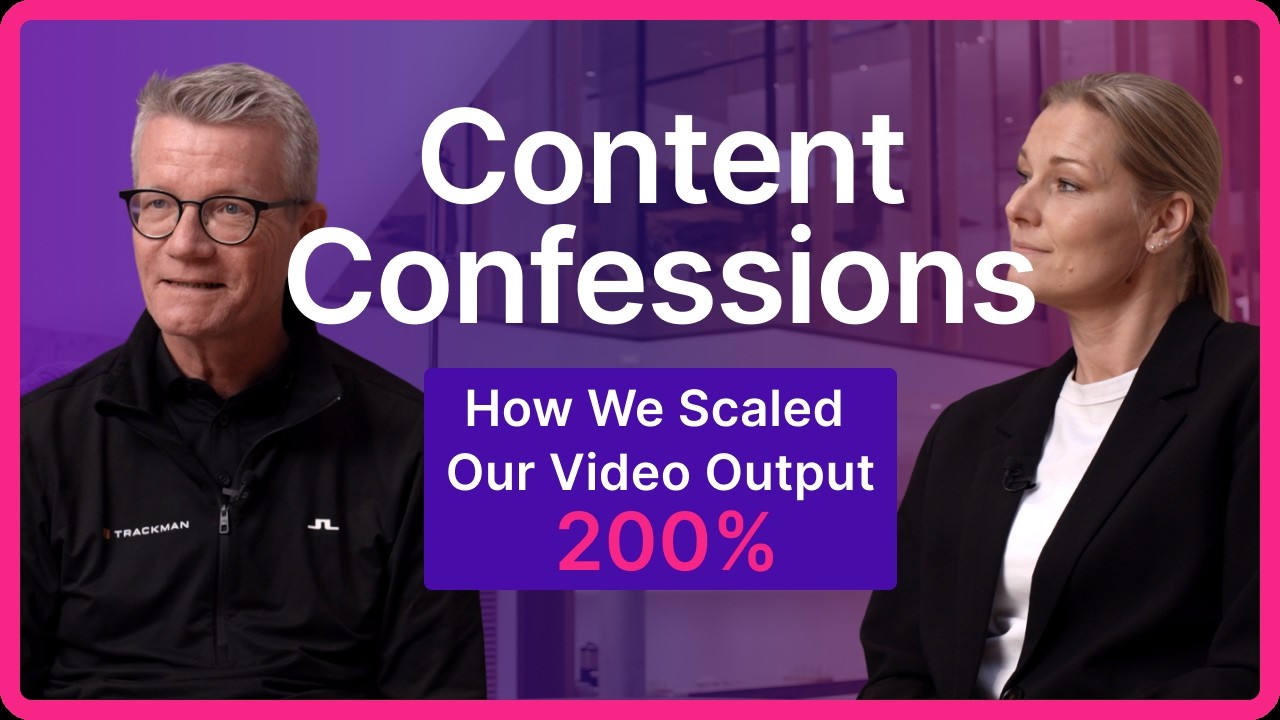
Yet clients almost always underestimate the shelf life of their footage. So they end up filming more or less the same thing over and over again. Trackman's in-house team is a good counterexample. They built a recruitment video for on-site installation crew within a day, using archive footage that went back to 2016. Read how they plan for it in Inside Look at Trackman's Video Production Workflow.
Recycled B-roll doesn't lower production value
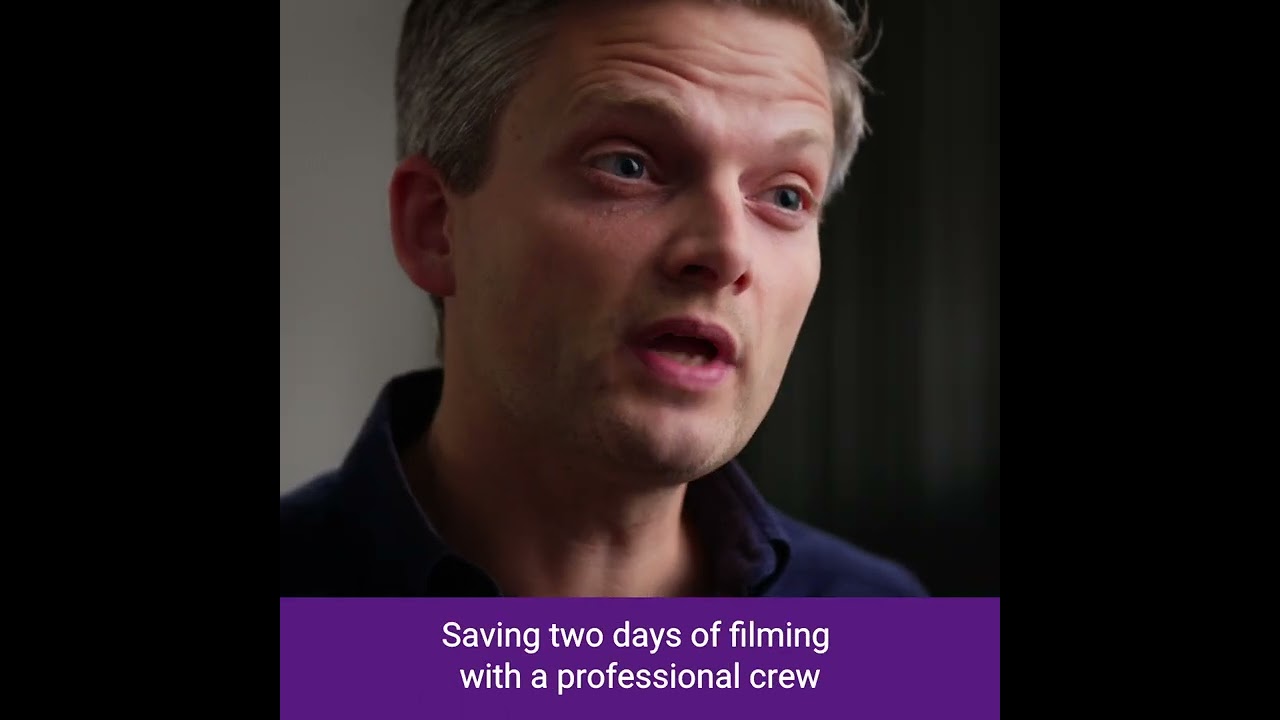
Viewers don't notice recycled B-roll when the editing is done right. We looked at two well-produced corporate videos from our archives. In both, almost all the B-roll was recycled, and the crew mainly filmed talking-head interviews. Each video saved one or two days of on-location filming, with a professional crew, gear and planning.
When those films were tested with a target audience, viewers didn't register any drop in quality or messaging. Across tested edits, 40% to 80% recycled footage did not reduce the perceived production value (Mediacloud.ai audience tests).
The same pattern shows up in customer projects. Recycled footage made up 83% of an FMCG client's CSR video, 80% of a sports tech product presentation and 44% of a construction company's employer branding video.
One check keeps it safe: before you reuse a clip, ask how often and how recently you've used it, and whether your audience would notice.
Five habits for shooting B-roll you can reuse
Reusable B-roll starts before the camera rolls. A few habits make a big difference:
- Plan beyond the current project. Before you go on location, ask: what else could we film that would be useful later?
- Film clean versions. Skip logos, screens and time-specific details in some takes, so the shot fits any future story.
- Capture variations while you're set up. Wide shots and close-ups, different people, different products. Our post on adopting a recycling mindset covers this in detail.
- Get the source footage from external crews. If you work with freelance photographers, tell them upfront that you need a copy of all the source footage.
- Check consent for future use. B-roll often shows people. A new campaign can need new consent, as we explain in How Often Do You Need Consent From Participants?
Store B-roll in one archive, tagged by location, date and project
B-roll only gets reused if someone can find it. After every shoot, archive the best source footage systematically:
- Keep the clean, native files, with no logos, music or baked-in grading. Our guide on storing corporate source footage walks through the settings.
- Give every clip a unique file name, never the camera defaults.
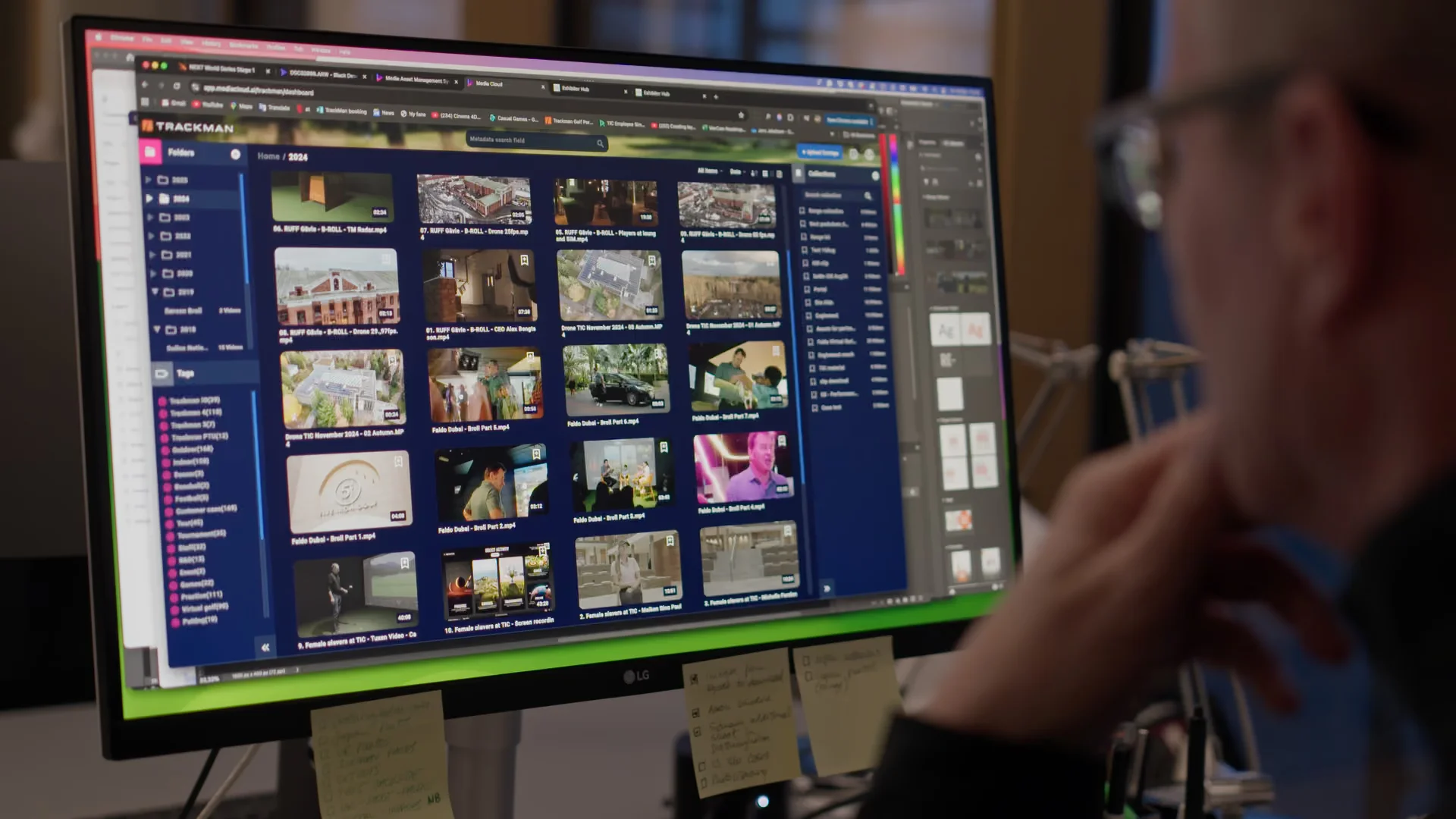
- Tag clips by location, date, photographer and project, so anyone can search them.
Mediacloud.ai is media asset management (MAM) software for source footage: a searchable, reusable and rights-cleared content library in the cloud, with release forms linked at asset level. Tags and mouse-over scrubbing make the right B-roll clip quick to find. And because every participant's release form is linked to the clips they appear in, you know straight away if a shot is cleared to reuse.
Frequently asked questions
What's the difference between A-roll and B-roll?
A-roll is the main footage that carries the story, like an interview or a presenter. B-roll is the supporting footage you cut to over it, such as cutaways, establishing shots and details.
What does B-roll stand for?
The term comes from film editing, when editors cut between two reels of film, the A-roll and the B-roll. Today it simply means the supporting footage in a video.
How long can you reuse B-roll footage?
Generic corporate B-roll, like facilities, people at work or product details, typically stays usable for 3 to 5 years. Check how often you've used a clip, and whether your audience would notice.
Can you reuse B-roll that shows people?
Yes, as long as their consent covers the new use. A new campaign or project can need fresh consent or a model contract, so check before the clip goes into a new edit.
Search years of B-roll, with consent attached to every clip
Want your team to find the right clip in seconds, and know it's cleared to reuse? Book a demo of Mediacloud.ai.
Label variant
Body
Title variant
Body
Term
Definition
Question
Key risk: red variant
- List item