
Key takeaways
- A data processing agreement (DPA) is the contract a company signs with anyone who handles personal data on its behalf
- Freelancers filming identifiable people are data processors, and your company is the data controller
- The DPA sets what data is processed, why, for how long and how it's secured
- Make DPA signing a standard step before any freelancer goes on location
In the world of corporate content production, freelance photographers and videographers are often brought in to capture events, interviews, or product launches. But here’s a critical legal detail many marketing teams overlook. If the footage includes identifiable people, your freelancer is actually handling and processing personal data.
And that means they should be operating under a data processing agreement, especially if you’re working under GDPR in the EU.
Why this matters
Under GDPR and other privacy regulation, a third party (like a freelancer) may process personal data on behalf of your organisation. That third party is considered a data processor, and you (the company / in-house content team) are the data controller. This means it’s your legal responsibility to make sure there’s a formal agreement in place outlining how that data is handled.
And yes, photos and videos count as personal data if people are identifiable in them like we outline in this post.
What does a data processing agreement actually do?
A Data Processing Agreement (DPA) is a standard legal contract that outlines:
- What personal data is collected and processed
- The purpose and duration of the processing
- Responsibilities and obligations of both parties
- Instructions on how to handle the data securely
- Liability clauses for mishandling or misuse
- Requirements for deletion or return of data once the work is completed
In other words, it sets clear rules for how freelancers should treat the personal data they gather while working on your behalf.
But it’s just a photographer, right?
That’s exactly the mindset that leads to compliance issues. Freelance photographers and videographers often interact directly with customers, employees, and event attendees. They store, transfer, and sometimes even edit that footage on their own equipment. Without a DPA in place, you have no formal control over how they handle sensitive material and that creates real risk for your organisation.
A privacy-first content workflow includes formalising this relationship. That’s where having a standardised model contract template or DPA template ready to go becomes a practical safeguard.
Make it part of your process
Thankfully, data processing agreements are not complex or exotic legal instruments. Most legal teams already use them for vendors, cloud platforms, and other service providers. The same principle applies to your content producers.
In practice: freelancers can be onboarded fast. 48% of new users start real work within 30 minutes of getting an account, and 75% within the hour. (Source: Mediacloud.ai customer data, 2024–2026)
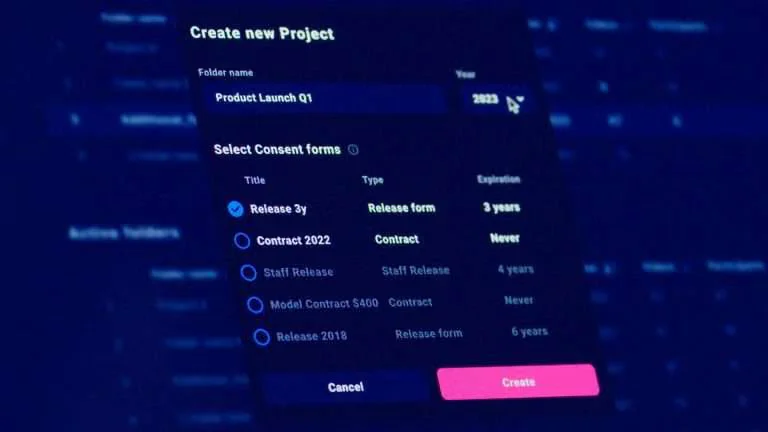
With platforms like Mediacloud.ai, you can even integrate DPA templates into your workflow. That keeps legal approval for content marketing in place, no matter who’s on location filming.
Working with freelance crews? See how Mediacloud.ai keeps them compliant.
Practical Summary
- Freelancers collecting footage of identifiable people are processing personal data
- Under GDPR, they should sign a data processing agreement (DPA)
- DPAs define what data is processed, for what purpose, and how it’s secured
- It’s a simple, standardised way to stay compliant and protect all parties involved
- Include DPA signing as a standard step before sending photographers on assignment
Label variant
Body
Title variant
Body
Term
Definition
Question
Key risk: red variant
- List item