
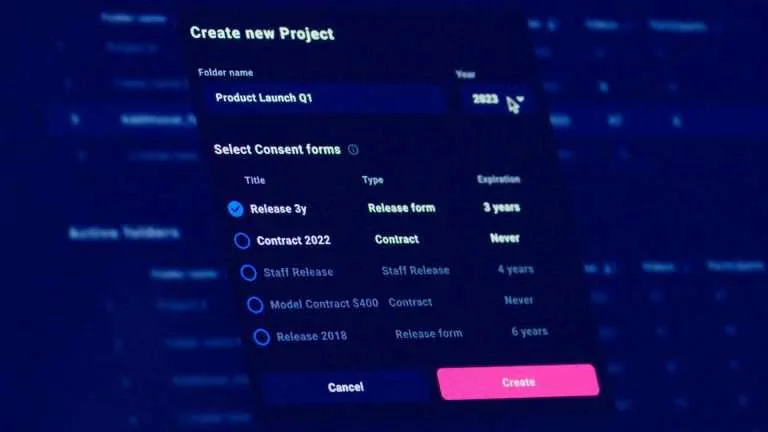
When creating marketing content that features pictures or videos containing people, whether its employees, customers, or paid talent – it’s essential to secure the right legal permission to use their likeness. This is particularly important under GDPR, but similar rules apply in other regions like PIPEDA in Canada.
Most teams rely on either consent forms or model contracts. But which is right for your project and why does it matter?
Let’s break it down..
Consent Forms: Easy to use, but not future-proof
Digital consent is the most common approach for most companies and their content teams. It’s a cheap way to collect, non-binding in terms of payment, and ideal for low-risk shoots.
But there’s one major caveat: consent can be withdrawn at any time.
If a participant changes their mind later, you will be legally required to remove or delete all footage that features them (even after it’s been published).
This can create serious risk if you’ve invested time and budget into producing the content.
Key risk: Consent provides no long-term guarantee of usage rights.
Model Contracts: Legally binding, but requires compensation/payment.
A model contract is a more formal agreement used when working with professional actors, brand ambassadors, or anyone who is being compensated for their appearance. It provides long-term security and cannot be withdrawn unilaterally.
This makes it the preferred option for:
- Paid campaigns
- Broadcast content
- High-value brand footage
- Long-term or wide-reaching content strategies
However, model contracts come with compensation expectations. While there’s no fixed pricing, “reasonable” pay depends on the scope and context:
- €100–€300 for a short filming session with a non-professional extra
- €1,000+ per day for experienced talent
Using someone’s image in high-profile content without fair compensation can result in legal or ethical issues down the line.
Best Practice: Use both depending on the context
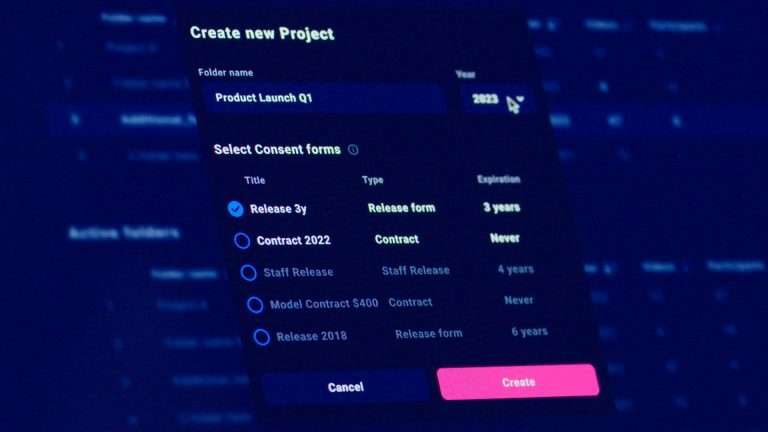
At Mediacloud.ai, many clients use a hybrid approach to protect their content and maximise reusability:
- Consent forms for low-risk, internal, or time-limited projects
- Model contracts for high-value or strategic content where legal certainty is essential
Before each shoot, ask:
- What’s the value of this footage?
- How long do we need to use it?
- Can we afford the risk of someone withdrawing consent?
- Is this going into paid media or just internal use
These questions will help you choose the right legal approach — and avoid issues later when you need to recycle or reuse footage as part of your broader content strategy.
Practical Summary
- Consent forms are quick and flexible, but withdrawal is always possible
- Model contracts offer binding, long-term rights but require payment
- For strategic, long-use content, model contracts are more secure
- Combine both approaches based on the content’s value and risk
- Mediacloud.ai supports both forms of legal approval for content marketing through structured workflows
Label variant
Body
Title variant
Body
Term
Definition
Question
Key risk: red variant
- List item