Video consent is the permission someone gives to be filmed and to have that footage used. Royal Unibrew needs it from everyone it films: happy people at summer festivals, customer testimonials and staff in internal videos. A video producer from Royal Unibrew's in-house agency explains how the team went from paper forms to digital consent with a QR code. That change freed them to focus on the creative work.
Key takeaways
- Event filming needs consent from staff and consumers alike
- Paper forms make it hard to match signatures to people on screen
- A QR code on the crew's phone replaces the paperwork on location
- The selfie links each consent to the person in the footage, which makes withdrawals manageable
An in-house agency with growing demand
Royal Unibrew is a multi-beverage company present in 70 countries, with its own portfolio and partner brands. It's strong in Europe, the Nordics and the Baltics. The company has been in-housing for several years, starting with event handling.
About a year ago, Royal Unibrew gathered all its creative people in one team: graphic designers, social media and video production. This small in-house agency now runs projects for the whole organisation, from social media content to internal video documentation. Demand is definitely going up.
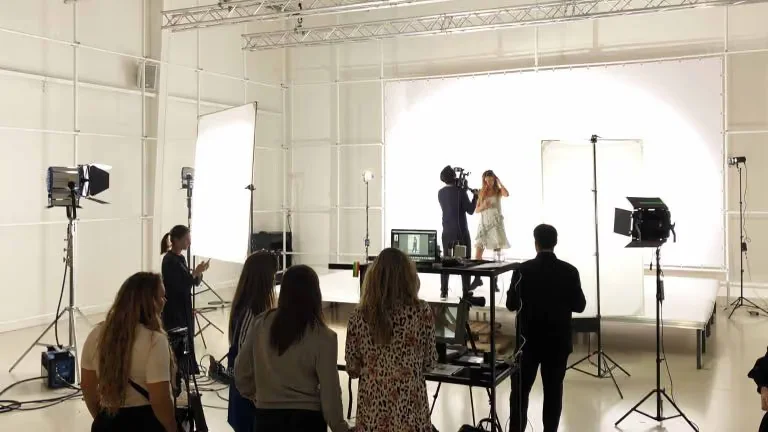
The video producer mainly works in the field: festivals in the summer, people enjoying the products, customer testimonials.
Why consent is a big deal for event filming
A company of Royal Unibrew's size has a lot of legal policies and compliance requirements to follow. That's especially true for consent forms in video production. To use what they film, the team needs consent from both staff and consumers. That means keeping track of every participant in every production.
Once people can be recognised in footage, it counts as personal data. Our post on when videos and photos are considered personal data explains why.
The problem with paper consent forms
In the past, the team collected consent on old-fashioned paper forms. Keeping track of all that paperwork over the years was very difficult, and balancing creativity with compliance was hard.
The biggest issue came after the shoot. Back from filming some great scenes, it was very hard to match the right signature to the right person on screen.
Going digital: a QR code and a green check mark
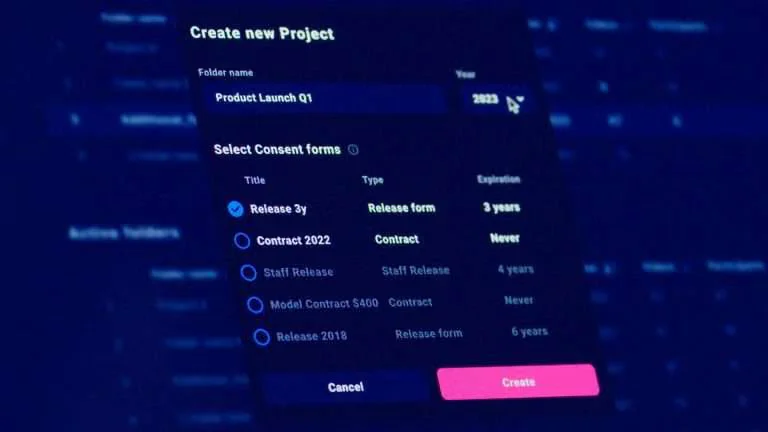
With Mediacloud.ai, everything is digital. Participants scan a QR code and sign, and everything is stored in the system.
On location, all the producer needs is a phone. The QR code is always there, and participants find it very easy to understand. Show them the code, wait for the green check mark, and you're good to go.
Consent is tied to a purpose, so new shoots usually need new consent. See how often you need consent from participants.
Why the selfie matters
One of the most important features for the team is the selfie. Each participant takes a selfie when they sign, which makes it very easy to find out who appears in the recordings.
That matters most if someone later withdraws their consent. People have the right to withdraw consent at any time, and the team can then locate every recording that person is in. For footage that needs more certainty, compare consent and model contracts.
For the wider legal picture, read our guide to GDPR consent for photos and video.
More time for the creative work
With consent handled by the platform, the team no longer has to focus on compliance. They can focus on the creativity and the fun part. At festivals, getting the perfect shot has become a lot easier. The team stays productive, creating a lot of great content for all of Royal Unibrew's brands.
Frequently asked questions
Whose consent does Royal Unibrew need when filming at events?
Both staff and consumers. Anyone who appears in the footage needs to give consent before the team can use the material.
What was the problem with paper consent forms?
The paperwork was hard to keep track of over the years. After a shoot, it was very hard to match the right signature to the right person on screen.
How do participants give consent on location?
The producer shows a QR code on their phone. Participants scan it, sign and take a selfie, and a green check mark confirms they're registered.
Why does the selfie matter if someone withdraws consent?
The selfie links each consent to the person in the footage, so the team can quickly find every recording that person appears in.
Filming people at your next event?
Collect consent with a QR code and keep it linked to the footage. Book a demo of Mediacloud.ai.
Label variant
Body
Title variant
Body
Term
Definition
Question
Key risk: red variant
- List item